Japamalas: Discover Their Types, Spiritual Benefits, and How to Use Them to Transform Your Life
Japamalas: Types, Benefits, and a Complete Guide for Beginners

Japamalas: Discover the Types, Associations, and Spiritual Benefits
Japamalas, also known as meditation rosaries, are spiritual tools widely used in Hindu culture and other spiritual traditions. They combine beauty, meaning, and utility, providing a path to inner peace and connection with the divine. In this article, we will explore the types of japamalas, their associations with Hindu gods, their benefits, and how they can aid in rituals and astrological remedies.
What is a Japamala?
A japamala is a necklace or bracelet made up of beads that aid in the recitation of mantras. Traditionally, a japamala has 108 beads, representing an auspicious number in Vedic culture. However, there are also smaller versions with 54 or 27 beads.
The Meaning of Number 108
The number 108 is deeply symbolic in Vedic and spiritual tradition. It represents:
- Unity of the Universe: 1 symbolizes unity, 0 symbolizes emptiness or infinity, and 8 represents eternity.
- Cosmos and BeingThere are 108 main nadis (energy channels) in the human body that connect to the heart chakra.
- Powerful MantrasReciting a mantra 108 times amplifies your spiritual energy and intention.
Similarities to Other Spiritual Objects
Christian Rosaries
Like japamalas, Christian rosaries are used to count prayers, such as the Lord's Prayer and the Hail Mary. While the focus is on Christian devotion, the practice also promotes calm and concentration.
Islamic Masbaha or Tasbih
Used by Muslims to recite the 99 names of Allah, the tasbih is similar to the japamala in its meditative function.
Buddhist Mala
In Buddhism, the mala also has 108 beads and is used for reciting mantras during meditation, symbolizing purification and spiritual enlightenment.
Types of Japamalas
Crystal Japamalas
Made with precious and semi-precious stones, such as quartz, amethyst, or tiger's eye, these japamalas are known for amplifying energies and bringing specific benefits, such as healing, protection, or mental clarity.
Wooden Japamalas
Made with sacred woods such as sandalwood or neem tree. They are popular for their simplicity and ability to balance spiritual energy.
- Red and White SandalwoodSandalwood is one of the purest and most auspicious woods, with unique properties and profound meanings. Red sandalwood (“Rakta”) is associated with goddesses, especially Lakshmi, and symbolizes wealth and prosperity. It is used to invoke blessings and attract calm and a positive state of mind. On the other hand, white sandalwood, with its sweet and refreshing aroma, is ideal for the worship of gods and the recitation of mantras, being valued for its medicinal and spiritual properties. Praying with sandalwood beads during meditation has a profound therapeutic effect.
Rudraksha Seed Japamalas
Rudraksha seeds are considered one of the most powerful in Hinduism. Associated with the god Shiva, they promote protection, peace, and spiritual clarity.
Japamalas made from natural materials
Made from shells, bones, or various seeds, they connect the practitioner to nature and primordial energy.
Personalized Japamalas
They can combine different materials, such as crystals and wood, to meet the specific needs of the user.
How to Use and Care for Your Japamala
Use and Storage
- Japamala bagIt is important to store the japamala in a special pouch or case. This not only protects it physically but also preserves its spiritual energy. During meditation, the pouch can be used to discreetly count the beads.
- Avoid direct contact with surfaces.Do not place the japamala directly on the floor or on unclean surfaces to maintain its purity.
How to Clean
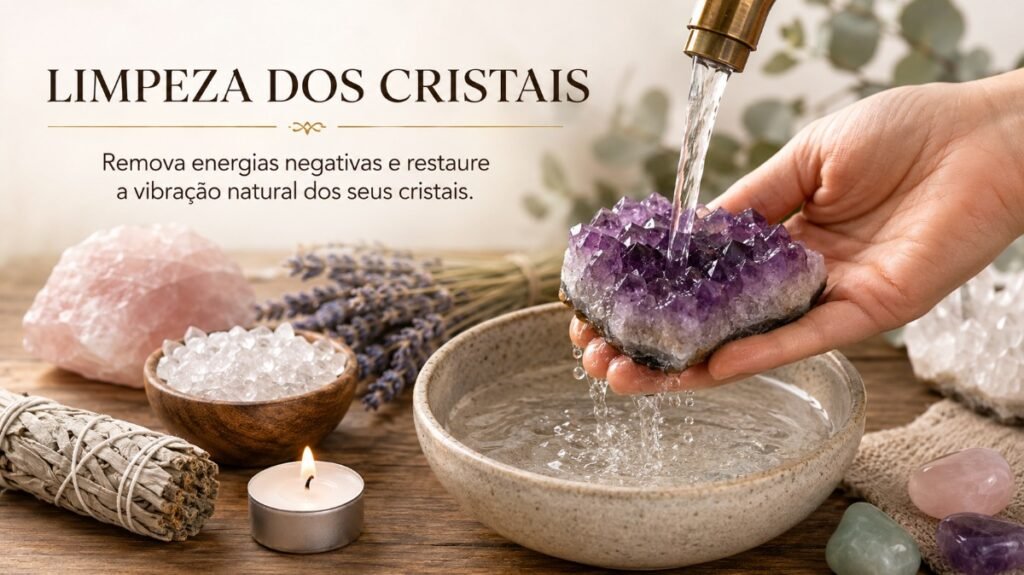
- Regular PurificationCleanse the japamala with pure water or milk to remove accumulated energies.
- Incense and MantrasUse incense such as sandalwood or palo santo and recite mantras to energize the japamala.
- Avoid Chemical ProductsNever use harsh products to avoid damaging the natural materials.
- Adequate StorageStore the japamala in a clean and sacred place, such as an altar.
Mantras Associated with Planets and Chakras
Each planet and chakra has specific mantras that can be recited with the japamala to bring balance and healing:
Ketu : Om Ketave Namah – Crown Chakra (Sahasrara)
Sun (Surya) : Om Suryaya Namah – Solar Plexus Chakra (Manipura)
Moon (Chandra) : Om Chandraya Namah – Sacral Chakra (Swadhisthana)
Mars (Mangala) : Om Mangalaya Namah – Root Chakra (Muladhara)
Mercury (Budha) : Om Budhaya Namah – Throat Chakra (Vishuddha)
Jupiter (Guru) : Om Gurave Namah – Heart Chakra (Anahata)
Venus (Shukra) : Om Shukraya Namah – Third Eye Chakra (Ajna)
Saturn (Shani) : Om Shanicharaya Namah – Root Chakra (Muladhara)
Rahu : Om Rahave Namah – Solar Plexus Chakra (Manipura)
Association with Hindu Gods
- ShivaRudraksha japamalas are strongly associated with Shiva. They represent discipline and divine protection.
- LakshmiJapamalas made of crystals such as citrine or green aventurine are often used to attract abundance and prosperity.
- VishnuRosaries made of tulsi (holy basil) are dedicated to Vishnu, symbolizing purity and devotion.
- Durga and SaraswatiJapamalas made of crystals such as white quartz or amethyst help with wisdom and spiritual protection, attributes of these goddesses.
Benefits of Japamalas
- Enhancing MeditationIt facilitates concentration during the recitation of mantras.
- Energy BalanceIt helps to align the chakras and stabilize emotions.
- Spiritual SupportIt promotes a sense of peace, protection, and connection with the divine.
- Astrological RemediesWhen made with specific materials, they can mitigate the effects of unfavorable planets in the birth chart.
- Physical and Emotional HealingEspecially when made with materials like rudraksha or crystals, the japamala helps in healing imbalances.
Japamalas in Astrological Rituals and Remedies
Japamalas are widely used in rituals for reciting mantras dedicated to specific deities. They also play a fundamental role in astrological remedies.
- Purification RitualsCrystal Japamalas help to cleanse negative energies.
- Planetary AlignmentRudraksha seeds can neutralize the effects of Saturn (Shani) and Rahu.
- Spiritual StrengtheningSandalwood is used to calm the mind and improve concentration.
How to Use and Care for Your Japamala
How to use
- Choose the Right TimeMeditation with a japamala should be done in a quiet place, preferably at dawn or dusk.
- Sit comfortablyMaintain an upright posture, with the japamala in your right hand.
- Mantras and IntentionsRecite a mantra or set an intention while passing each bead between your fingers.
- Rhythm and ConnectionAvoid rushing; focus on the energy and meaning of the mantra.
The Importance of the Japamala in the Modern Era
With the fast pace of modern life, japamalas offer a spiritual refuge. They not only aid in meditation and mental calm, but also help cultivate a sense of purpose and connection with the divine. Whether for beginners or experienced practitioners, the regular use of a japamala can transform life, bringing serenity and harmony.