
 Earn


Description
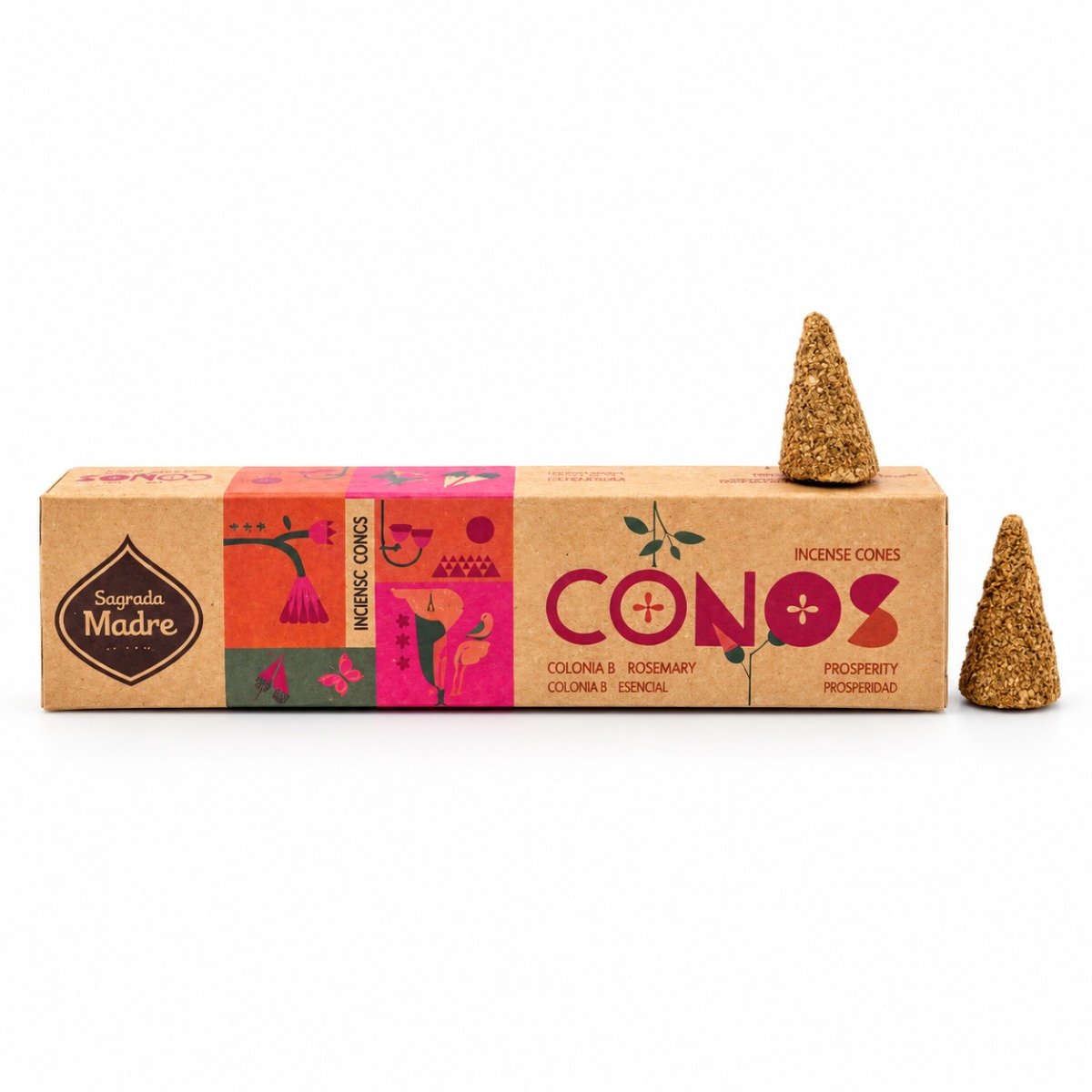
Sacred Mother of Calendula and Rosemary Incense Cone – Prosperity, Renewal and Abundance
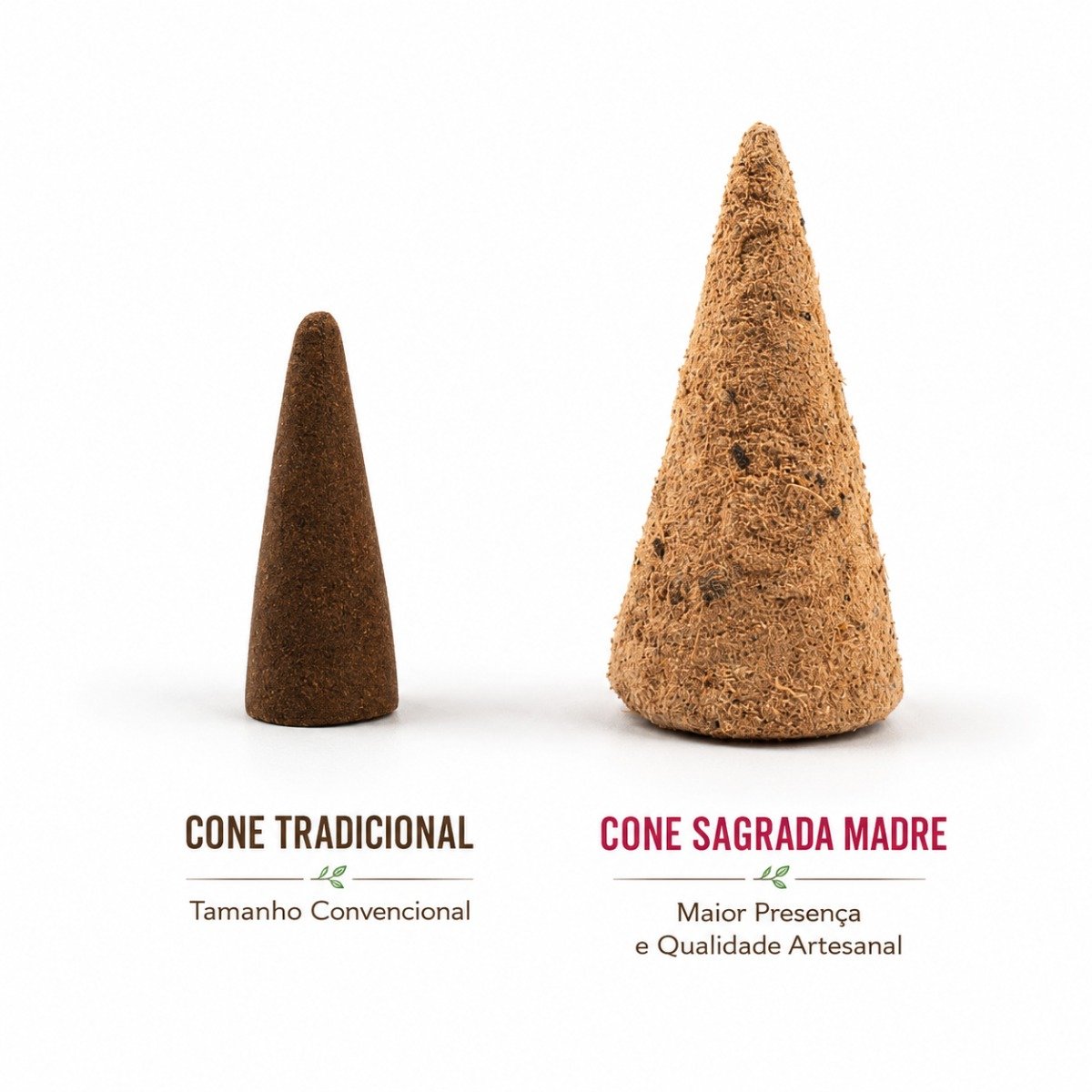
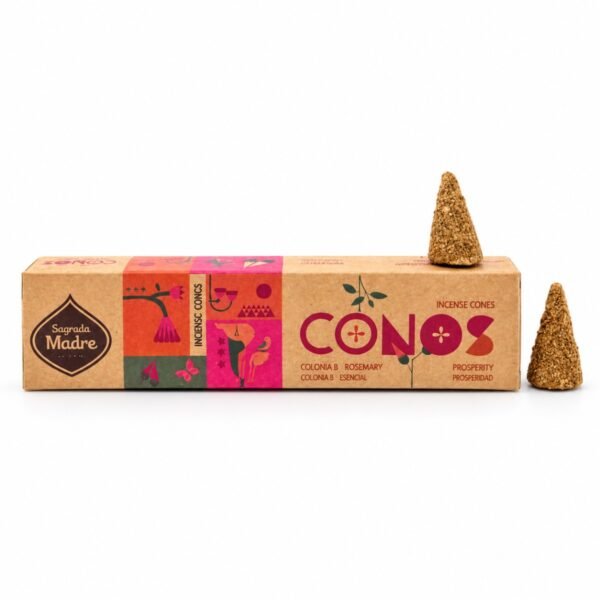
The Sagrada Madre Calendula and Rosemary Cone Incense combines the delicate floral scent of calendula with the herbal and aromatic character of rosemary, creating an experience inspired by nature, renewal, and prosperity. Part of the Sagrada Madre CONOS collection, it comes in rustic-textured cones with small visible plant particles and natural golden-brown tones.
This combination, identified on the packaging as Prosperity, invites you to transform small everyday moments into opportunities for reflection, gratitude, and openness to new paths. Calendula evokes light, joy, and blossoming, while rosemary represents memory, clarity, and perseverance.
More than associating prosperity exclusively with material wealth, this incense proposes a broader view of abundance: recognizing available resources, valuing what has already been achieved, and cultivating the necessary conditions to continue growing.
Spiritual Meaning of Calendula and Rosemary
Calendula – The Flower of Light and Blossoming
Calendula, botanically known as Calendula officinalis, stands out for its yellow and orange flowers, reminiscent of the sun's brightness.
In contemporary floral symbolism, it represents vitality, hope, creativity, and the ability to flourish even after difficult times.
Their presence in spiritual practices can represent openness to new opportunities, recognition of one's own worth, and gratitude for the cycles of life.
Calendula reminds us that growth doesn't always happen immediately. Just as a plant needs time, light, and the right conditions, so too do our projects need attention and continuity.
Rosemary – Memory, Clarity and Protection
Rosemary, currently botanically classified as Salvia rosmarinus, has a long history of aromatic, culinary, and symbolic use.
In Mediterranean tradition, it is related to memory, fidelity, and remembrance. In popular smudging practices, it is also associated with symbolic purification and the protection of spaces.
Its intense and characteristic herbal aroma can accompany moments of concentration, personal organization, and preparation for new activities.
Spiritually, rosemary represents the importance of keeping the mind focused on what truly matters.
The Union of the Two Plants
Calendula symbolizes the blossoming of possibilities. Rosemary represents the attention needed to recognize and develop them.
Together, they inspire a prosperity built on clarity, dedication, and confidence, rather than relying solely on the expectation of favorable events.
How to Use the Sacred Mother Calendula and Rosemary Incense Cone
Incense cones are a practical alternative to sticks, especially for those who appreciate using small, heat-resistant ceramic, stone, or metal holders.
Place a cone on a stable, non-flammable incense holder. Carefully light the top end, allow a small flame to form, and then extinguish it, allowing the tip to continue releasing aromatic smoke.
You can use this incense when preparing an altar, before meditation, or during a time dedicated to setting personal goals.
The cone shape allows you to concentrate the aromatic experience on a specific point in the space, making it particularly interesting for small rituals of contemplation.
Always use in a well-ventilated area and never leave the lit cone unattended.
Prosperity Ritual and New Paths
Choose a quiet moment, preferably before starting an important activity or at the beginning of a new phase.
Place the cone in a suitable burner and, while the aroma develops, write three intentions on a small piece of paper.
The first could represent something you are grateful for. The second, a goal you wish to achieve. The third, a concrete action you can take to bring that goal closer to reality.
Observe the smoke for a few moments, maintaining a present attitude.
You can accompany the ritual with the following intention:
"May I recognize the abundance that already exists in my life. May clarity guide my choices, and may each opportunity be accompanied by wisdom, dedication, and gratitude."
Keep the paper in a personal place and reread it a few days later, evaluating the steps you were able to take.
This ritual is a symbolic proposal and not a guarantee of financial or material results.
Chakras Associated with Calendula and Rosemary
Manipura – Solar Plexus Chakra
Manipura is associated with the element of Fire, transformation, and the ability to act.
The sunny hue of calendula allows for a symbolic correspondence with this center, often associated with determination, confidence, and initiative.
A meditation dedicated to Manipura can be accompanied by reflections on professional goals, autonomy, and the ability to achieve them.
Anahata – Heart Chakra
Anahata represents compassion, emotional openness, and balance in relationships.
Calendula, as a symbol of blossoming, can inspire a practice of gratitude for the people, experiences, and opportunities that enrich life.
Ajna – Third Eye Chakra
Rosemary, due to its historical association with memory, can be symbolically related to Ajna, the center of concentration and discernment.
This correspondence invites reflection on the importance of distinguishing between genuine opportunities and poorly founded expectations.
The associations between these plants and the chakras are contemporary spiritual interpretations, not universal classical correspondences in Yoga.
Ayurveda and Balancing the Doshas
In Ayurveda, prosperity can be understood more broadly through quality of life, balanced routines, and a conscious relationship with available resources.
Although calendula and rosemary are plants known in other herbal traditions, this incense is not an Ayurvedic therapeutic preparation.
Vata – Continuity and Organization
Vata is associated with the elements Air and Ether, symbolizing movement and change.
A regular meditation practice can accompany the intention to organize thoughts, establish priorities, and complete tasks that have been started.
The aroma of incense can serve as a sensory reference for this moment, as long as it is comfortable.
Pitta – Ambition with Discernment
Pitta is related to Fire, transformation, and the ability to materialize.
Due to its solar symbolism, marigolds can inspire reflection on the difference between healthy ambition and the constant need to achieve results.
Prosperity also requires recognizing when it is necessary to rest and maintain balance.
Kapha – Initiative and Renewal
Kapha is associated with the elements Earth and Water, representing stability and permanence.
The herbal nature of rosemary can symbolically accompany practices aimed at encouraging new projects and overcoming resistance to change.
These suggestions are for contemplation purposes only and do not represent the medicinal effects of incense on the doshas.
Vastu Shastra and Feng Shui
Vastu Shastra – Prosperity and Organization of Space
In Vastu Shastra, the organization of environments, cleanliness, and the proper use of natural light are important aspects in the relationship between people and spaces.
The Sacred Mother Calendula and Rosemary Cone Incense can accompany a routine of preparing the workplace or a home altar.
The North is traditionally associated with Kubera, a deity related to wealth and the guarding of treasures. For this reason, it can be symbolically chosen for reflection on the responsible management of resources and prosperity.
This use of incense is a contemporary adaptation and not a specific classical Vastu prescription.
Feng Shui – Growth and Abundance
In Feng Shui, the Wood element is associated with growth, development, and renewal.
The plant characteristics of calendula and rosemary can symbolically represent these qualities.
In some contemporary schools of Feng Shui, the prosperity area is associated with the Xun trigram, although its specific location depends on the method used.
Incense can be used to set up a space dedicated to projects, work, or study, provided it is properly ventilated and safe.
Vedic Astrology – Jyotish and Prosperity
The combination of calendula and rosemary does not constitute a classic planetary remedy in Jyotish. However, the symbolism of these plants allows for contemplative connections to be established with certain grahas.
Surya – The Sun and the Capacity to Flourish
Surya represents consciousness, identity, dignity, and inner authority.
Calendula, with its luminous flowers, can be symbolically associated with solar qualities.
In Jyotish, the Sun is also associated with the ability to take on responsibilities and develop one's own direction.
Sunday, Ravivara, is traditionally dedicated to Surya.
Mantra: Om Suryaya Namah
One practice for this day could focus on building the confidence needed to initiate projects and make commitments.
Buddha – Mercury and Practical Intelligence
Buddha represents intellect, communication, commerce, learning, and the ability to analyze information.
Rosemary, due to its historical association with memory, can be symbolically related to these qualities.
In Vedic astrology, Budha is especially relevant to matters of communication, negotiation, and commercial activity, always depending on its position in the birth chart.
Wednesday, Budhavara, is traditionally dedicated to Mercury.
Mantra: Om Budhaya Namah
You can choose this day to organize finances, review professional goals, or dedicate time to learning.
Guru – Jupiter and Abundance with Wisdom
Guru, or Brihaspati, is associated with knowledge, generosity, ethics, and expansion.
The yellow and gold color, present in calendula flowers, allows for a symbolic connection to be established with Jupiter.
In the Jyotish tradition, Guru represents a form of prosperity that includes knowledge, guidance, and the ability to share.
Thursday, Guruvara, is traditionally dedicated to Jupiter.
Mantra: Om Gurave Namah
This association invites us to understand that abundance is not measured solely by what one possesses, but also by how one uses and shares what one receives.
The correspondences presented are symbolic and do not guarantee changes in astrological influences.
Crystals to Accompany Prosperity Incense
In contemporary crystal therapy, Citrine is often associated with confidence, creativity , and prosperity.
Pyrite , due to its golden metallic luster, symbolically represents material abundance, determination, and the ability to achieve goals.
Green Aventurine can support intentions of growth, renewal, and openness to opportunities.
These crystals can be placed near the meditation space, but always away from the lit cone and hot surfaces.
Their spiritual associations do not constitute scientifically proven effects.
Care and Recommendations
Always place the cone in a suitable, heat-resistant burner on a non-flammable surface.
Do not use directly on wood, fabrics, or delicate furniture, as the base of the cone can reach high temperatures.
Keep away from children, animals, and flammable materials. Never leave burning incense unattended.
Avoid inhaling the smoke directly and use it only in well-ventilated areas. People with respiratory sensitivities should avoid exposure.
Store the cones in a dry place, protected from moisture and direct sunlight.
The Sacred Mother Calendula and Rosemary Cone Incense celebrates an idea of prosperity that begins in awareness and develops through action.
Calendula reminds us of the importance of blooming, while rosemary symbolizes the clarity needed to choose the right path.
Its aromatic blend transforms small moments of contemplation into an opportunity to acknowledge achievements, renew intentions, and move forward with confidence.
If you have any questions regarding this product on the Templo de Buda website, you can contact us via WhatsApp , email , Instagram , or Facebook.
RESALE
Special prices are available for resellers. You can see more here.

Reviews
There are no reviews yet.